Alternative proteins and plant-based foods
Overall Course Objectives
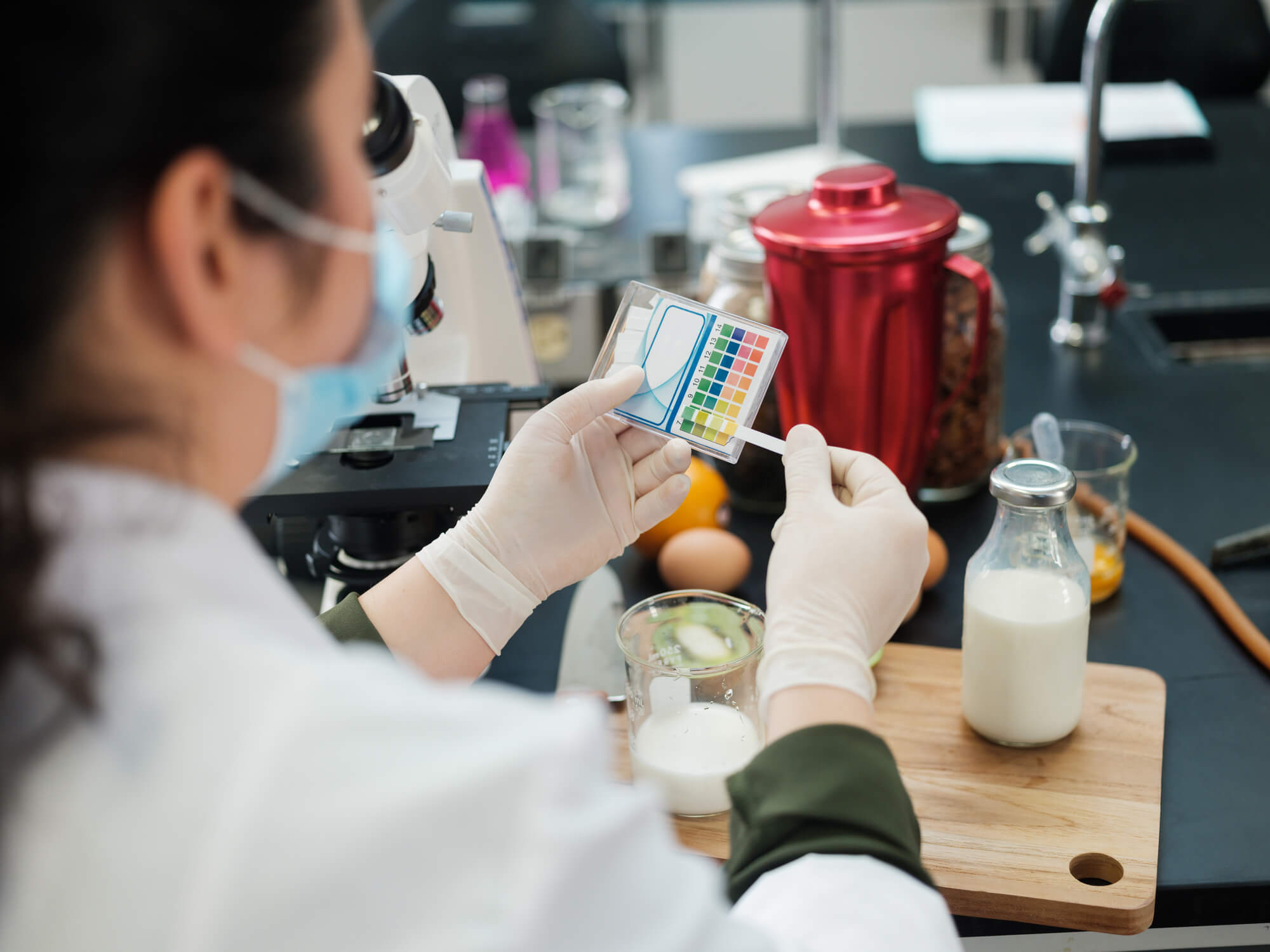
This course provides students with an in-depth understanding of sustainable alternative proteins and plant-based replacements for meat and dairy. The overall aim of the course is to teach engineering students what the current challenges of plant-based foods and alternative proteins are, and how to create the next generation of sustainable meat- and dairy alternatives. Sustainable alternative proteins can mitigate the environmental impact of our food systems, decrease the risk of zoonotic disease, and ultimately feed more people with fewer resources. Through lectures from researchers and industry representatives, and practical work in the food lab, students will explore plant-based, fermented, and cultivated alternative protein technologies.
See course description in Danish
Learning Objectives
- Explain the scientific principles, key ingredients, and processes underlying alternative protein production.
- Classify and compare the main categories of alternative proteins based on production principles, sustainability, and technological readiness.
- Identify food safety hazards associated with alternative proteins and plant-based foods, focusing on chemical and microbiological risks as well as allergen concerns
- Identify future research and innovation needs within alternative proteins and plant-based foods based on recent scientific literature and case studies from industry
- Create alternative protein products by applying food processing and formulation strategies in practical laboratory exercises
- Critically assess the challenges of current plant-based products, including issues of ultra-processing, additives, sensory and nutritional properties, off-flavors, structural characteristics, and regulatory challenges
- Evaluate the functional and nutritional differences between animal-derived and alternative proteins, including protein digestibility, amino acid profile, and techno-functional properties.
- –
Course Content
Through lectures from researchers and industry representatives, team work, and practical work in the food lab, students will explore plant-based, fermented, and cultivated alternative protein technologies. The student will in the learning process, understand and practically apply processes such as enzyme modifications, additives, extrusion, fermentation using bacteria and fungi, and precision fermentation. Furthermore, the students will learn about the challenges of current plant-based meat and dairy alternatives, including issues of ultra-processing, additives, sensory and nutritional properties, off-flavors, food safety, regulatory challenges, technological readiness, and sustainability trade-offs. The characteristics and challenges of using plants as primary ingredients will be covered. The principles of stem cell theory and how they apply to cultivated meat production and microbial strain engineering will also be covered. Assessment will focus on students’ ability to critically discuss and justify technology choices and solutions in alternative protein development. Assessment will be based on a poster presentation and a written report produced in teams.
Recommended prerequisites
Teaching Method
The course Alternative proteins and plant-based foods combines lectures, case studies, teamwork, and hands-on laboratory exercises. Students explore scientific, technological, and industrial perspectives on sustainable proteins, including plant-based, fermented, and cultivated approaches. Assessment is based on collaborative reports and poster presentation, fostering critical discussion and practical application of alternative protein development.
Faculty
Limited number of seats
Minimum: 8, Maximum: 40.
Please be aware that this course has a minimum requirement for the number of participants needed, in order for it to be held. If these requirements are not met, then the course will not be held. Furthermore, there is a limited number of seats available. If there are too many applicants, a pool will be created for the remainder of the qualified applicants, and they will be selected at random. You will be informed 8 days before the start of the course, whether you have been allocated a spot.
Questions about the course content?
Contact Federico Casanova

Practical questions (e.g. sign-up)?
Contact DTU Learn for Life
Related educations
-
 Enkeltfag
Engelsk
10 ECTS
Enkeltfag
Engelsk
10 ECTS
Videregående bygningsprojektering
- Duration
- 13 uger
- Price
- 18.500,00 DKK
-
 Enkeltfag
Engelsk
2.5 ECTS
Enkeltfag
Engelsk
2.5 ECTS
Advances in Chemical and Biochemical Engineering
- Duration
- 13 uger
- Price
- 12.350,00 DKK
-
 Enkeltfag
Engelsk
5 ECTS
Enkeltfag
Engelsk
5 ECTS
Introduktion til trådløse teknologier
- Duration
- 13 uger
- Price
- 9.250,00 DKK
-
 Enkeltfag
Engelsk
5 ECTS
Enkeltfag
Engelsk
5 ECTS
Bio-medicinsk optik
- Duration
- 13 uger
- Price
- 9.250,00 DKK