Materials and manufacturing processes for industrial technology
Overall Course Objectives
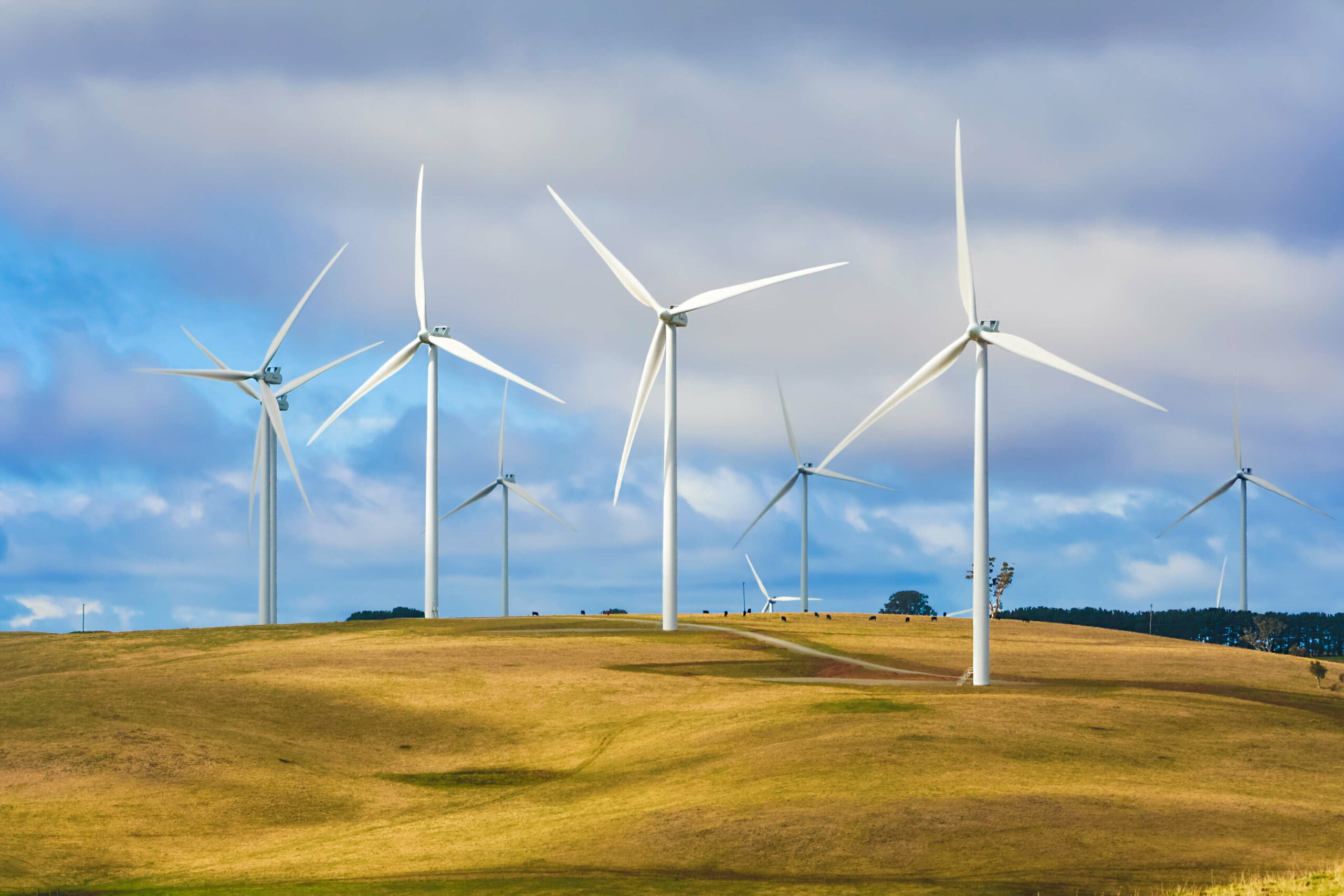
The aim of the course is to give a general understanding of how components are designed and manufactured, and to provide hands-on experience with both theoretical and experimental aspects of design and manufacturing processes. Case examples will include components for wind turbines and solar energy. The course aims to equip students with a structured way of thinking when developing new components, as well as a basic understanding of the overall process and material selection from design to finished product.
See course description in Danish
Learning Objectives
- Explain how selected material properties are measured experimentally
- Estimate the stiffness and strength of simplified components
- Apply Ashby’s material selection method to component design
- Describe relations between materials, manufacturing processes and product properties
- Select appropriate manufacturing processes based on material and product requirements
- Evaluate component designs regarding feasibility, safety and reliability
- Explain typical wind turbine blade and solar photovoltaic (PV) module manufacturing processes
- Implement a PV module design in a realistic production environment
- Build and test a small-scale wind turbine blade using realistic manufacturing methods
Course Content
The course gives an overall introduction to component design and manufacturing through theory and experiments using wind turbines and solar cells as case examples. It also briefly touches on testing and end-of-life of components, and includes the following elements:
• Brief introduction to prerequisite mechanical concepts
• Tensile testing and data analysis to measure stiffness and strength of materials
• Simplified analytical calculations of stiffness and strength of materials and components
• Introduction to Ashby’s material selection method for mechanical design
• Brief introduction to material properties relevant for solar modules (optical, thermomechanical and electrical)
• Introduction to manufacturing and joining processes for metals, polymers, and composites and selection of suitable processes based on material and product requirements
• Demonstration of manufacturing processes for metal components
• Combining theory and hands-on experimental work on two cases: (1) Manufacturing and testing a small solar cell panel and (2) manufacturing and testing a small-scale wind turbine blade
Recommended prerequisites
46800/46025
Teaching Method
Lectures, exercises, and experimental work
Faculty
Remarks
The parts of the experimental work that require external safety training, such as epoxy work, are carried out by a technician.
Limited number of seats
Maximum: 30.
Please be aware that this course has a limited number of seats available. If there are too many applicants, a pool will be created for the remainder of the qualified applicants, and they will be selected at random. You will be informed 8 days before the start of the course, whether you have been allocated a spot.
Questions about the course content?
Contact Kristine Munk Jespersen

Practical questions (e.g. sign-up)?
Contact DTU Learn for Life
Related educations
-
 Enkeltfag
Engelsk
5 ECTS
Enkeltfag
Engelsk
5 ECTS
Fysisk Geodæsi
- Duration
- 13 uger
- Price
- 9.250,00 DKK
-
 Enkeltfag
Engelsk
5 ECTS
Enkeltfag
Engelsk
5 ECTS
Medicinsk billedanalyse
- Duration
- 13 uger
- Price
- 9.250,00 DKK
-
 Enkeltfag
Engelsk
2.5 ECTS
Enkeltfag
Engelsk
2.5 ECTS
Advances in Chemical and Biochemical Engineering
- Duration
- 13 uger
- Price
- 12.350,00 DKK
-
 Enkeltfag
Engelsk
5 ECTS
Enkeltfag
Engelsk
5 ECTS
Introduktion til kvantekemi
- Duration
- 13 uger
- Price
- 9.250,00 DKK